AC Testing 2026: Pressures, Performance & Pro Tips
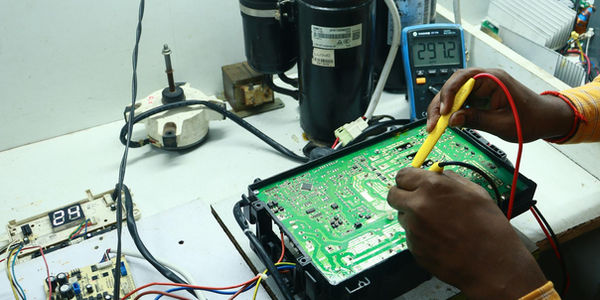
Ever wondered what’s really going on inside your air conditioner? Whether you’re a homeowner trying to understand a repair quote or an aspiring technician learning the ropes, mastering the basics of AC testing is crucial. It’s how you diagnose problems, ensure efficiency, and prevent small issues from becoming costly disasters.
This guide breaks down the essential checks and inspections, from complex pressure diagnostics to simple visual checks. Think of it as a complete physical for your cooling system. We’ll walk through what each test means, why it matters, and what the results tell you.
The Core of AC Testing: Understanding Pressure
At the heart of most AC testing is a pressure check. An air conditioner is a closed loop system, and the refrigerant pressure inside is like the system’s blood pressure. The right readings mean it’s healthy; the wrong ones point to specific problems.
Refrigerant Pressure Gauge Test
A refrigerant pressure gauge test uses a manifold gauge set (the tool with the red and blue dials) to measure the system’s high side and low side pressures. A technician connects hoses to the AC’s service ports to get these readings. The low side (blue gauge) measures the suction pressure of the refrigerant vapor returning to the compressor, while the high side (red gauge) measures the pressure of the hot gas leaving the compressor. These two numbers provide a powerful snapshot of the system’s health.
How to Interpret Pressure Readings
Pressure reading interpretation is the skill of turning those numbers into a diagnosis. There isn’t one “perfect” pressure; readings change based on the type of refrigerant, the indoor temperature, and the outdoor temperature. However, technicians know the expected ranges for a healthy system.
Here are a few examples of what readings can mean:
Low Suction, Low Head Pressure: This often points to an undercharged system, meaning there’s a refrigerant leak.
High Suction, High Head Pressure: This could signal an overcharged system or a problem with the outdoor condenser fan.
Low Suction, High Head Pressure: This might indicate a restriction in the system, like a clogged filter drier or expansion valve.
High Suction, Low Head Pressure: A common sign of a weak or failing compressor that isn’t pumping effectively.
Interpreting these readings correctly is a foundational skill. If you’re unsure about a set of numbers, share your gauges and ambient conditions in our Questions & Answers forum for experienced feedback. For example, a system with a dirty condenser coil will struggle to release heat, causing the high side pressure to spike and raising energy costs.
Finding the Problem: Leak Detection and Diagnosis
If pressure readings suggest the refrigerant level is low, the next step in AC testing is finding out why. Since refrigerant doesn’t get used up, low levels always mean there’s a leak.
Leak Detection with a Pressure Test
Leak detection via a pressure test is the most reliable way to find where refrigerant is escaping. After recovering any remaining refrigerant, a technician will pressurize the system with an inert, dry gas, usually nitrogen. They then monitor the pressure gauge. If the pressure holds steady, the system is sealed. If it drops, there’s a leak. To find the exact spot, technicians often apply a soap bubble solution to joints and fittings and watch for bubbles to form. This test is a critical step before repairs can be carried out. Stuck on a tricky leak scenario? Start a thread in the General Discussion forum to compare notes with working techs.
The Pressure Testing Process Explained
The pressure testing process is methodical to ensure accuracy and safety.
Refrigerant Recovery: Any existing refrigerant is safely removed and stored.
Pressurization: Dry nitrogen is slowly introduced into the system using a regulator to reach a specific test pressure, often around 150 PSI for residential units. Dry nitrogen is the standard because it contains no moisture that could contaminate the system.
Stabilization: The technician waits for the gas temperature and pressure to stabilize. A slight initial drop can occur as the gas cools, which is normal and not necessarily a leak.
Monitoring: The pressure is monitored for a set period, from 15 minutes to several hours. A steady, continuous drop confirms a leak.
Location and Repair: If a leak is confirmed, it’s located using soap bubbles or electronic sniffers. After the leak is repaired, the test is repeated.
Evacuation and Recharge: Once the system passes the test, the nitrogen is released, and a deep vacuum is pulled to remove all air and moisture before recharging with the correct amount of refrigerant.
When Should You Pressure Test an AC System?
A pressure test isn’t needed for every service call, but it’s essential in specific situations. You should perform an AC pressure test:
On any new installation before charging the system with refrigerant.
After any repair that involves opening the refrigerant circuit, like replacing a coil or compressor.
When you suspect a refrigerant leak due to poor cooling performance or visible signs like ice on the coils.
Refrigerant Level Diagnosis
Diagnosing the refrigerant level is about more than just looking at pressures. Technicians use measurements like superheat (for systems with a fixed orifice) and subcooling (for systems with a TXV) to determine the precise refrigerant charge. An undercharge of just 10% can significantly reduce efficiency. An overcharge is just as bad, putting immense strain on the compressor. A properly charged system is key to both performance and longevity.
Beyond Pressures: Checking Overall System Performance
A complete AC testing regimen looks at the whole picture, not just the refrigerant. Airflow, temperature, and controls are just as important. If your role also includes appliance diagnostics, bookmark our LG appliances error code lookup for quick troubleshooting.
Temperature Differential (Delta T) Test
A temperature differential test, or Delta T test, measures the temperature difference between the air going into your system (return air) and the air coming out (supply air). For a healthy air conditioner, this drop should typically be between 14°F and 20°F.
A low Delta T (e.g., 10°F) means the system isn’t cooling the air enough. This could be due to low refrigerant, a weak compressor, or poor system capacity.
A high Delta T (e.g., 25°F) often indicates an airflow problem, like a dirty filter or blocked ducts. Restricted airflow can cause the evaporator coil to get too cold and freeze up, stopping all cooling.
Vent Airflow Check
A vent airflow check confirms that conditioned air is being delivered effectively to each room. Maintenance techs in multifamily or hospitality who also service laundry rooms can keep our Speed Queen washer error codes index handy for fast call resolution. A technician will feel the airflow at each vent or use a tool called an anemometer to measure it. Signs of poor airflow include weak air coming from vents, whistling sounds, and some rooms being much hotter or colder than others. Often, the culprit is simple, such as a clogged air filter or a piece of furniture blocking a register. Proper airflow is critical; HVAC systems are often designed for around 400 cubic feet per minute (CFM) of airflow per ton of cooling capacity.
Thermostat Response Test
The thermostat is the brain of your HVAC system. A response test checks that it’s communicating correctly. This involves setting the thermostat to call for cooling and confirming the AC unit kicks on after a brief delay. If the system doesn’t respond, runs constantly, or short cycles, the thermostat could be faulty. A technician can use a multimeter to check for proper voltage and wiring, but sometimes the fix is as simple as replacing old batteries.
Key Component Inspections
Visual inspections are a vital part of AC testing. A trained eye can spot developing problems with the system’s major components before they cause a breakdown.
Outdoor Condenser Inspection
The outdoor unit’s job is to release heat. An inspection involves:
Checking Coil Cleanliness: Dirty condenser coils can force the system to use 20% or more energy to cool your home and shorten the unit’s lifespan.
Ensuring Proper Clearance: Bushes, leaves, and debris around the unit can block airflow and reduce efficiency.
Inspecting the Fan: The fan blade should be intact, and the motor should run smoothly without any rattling noises.
Checking Electrical Components: A technician will look for signs of wear on capacitors and contactors, which are common failure points.
Evaporator Coil Inspection
The indoor evaporator coil is where your home’s air gets cooled. An inspection looks for:
Dirt and Buildup: A dirty coil can’t absorb heat well. One study found that even a thin layer of dust (0.042 inches) on an evaporator coil can reduce efficiency by 21%.
Frost or Ice: Ice on the coil is a clear sign of a problem, usually low refrigerant or poor airflow.
Condensate Drain Issues: The inspector will check the drain pan and line for blockages.
Condensate Drain Inspection
As your AC removes humidity, it creates water (condensate) that must drain away. A clogged condensate drain can cause water to back up, leading to serious water damage and mold growth. An inspection ensures the drain pan and line are clear and that any safety float switches, which shut the system off if a clog is detected, are working correctly.
Compressor Function Check
The compressor is the heart and the most expensive component of your AC. A function check involves listening for unusual noises, measuring its electrical amperage draw with a clamp meter, and analyzing pressure readings to confirm it’s pumping effectively. A struggling compressor might make loud rattling noises or draw more power than its rating specifies.
A Quick Tip: Identifying the Low-Side Service Port
For those new to AC testing, a common first question is how to identify the service ports. The low-side port, where the blue gauge connects, is found on the larger of the two copper refrigerant lines. This line, known as the suction line, is usually insulated with black foam to prevent it from sweating.
DIY vs. Professional AC Testing
While some checks like changing a filter or clearing debris from the outdoor unit are great DIY tasks, most AC testing should be left to a professional. Curious about workplace paths in HVAC? Read our community’s union vs. non‑union discussion.
Here’s why:
Specialized Tools: Professionals have expensive equipment like refrigerant recovery machines, vacuum pumps, nitrogen regulators, and electronic leak detectors.
Safety and Knowledge: Working with high pressure nitrogen and high voltage electrical components is dangerous without proper training. A pro knows the safe test pressures and procedures.
Legal Requirements: In the United States, anyone who connects gauges to an AC system must have an EPA Section 608 technician certification. Handling refrigerants without this certification is illegal.
If you’re passionate about learning these skills correctly, online platforms can help. For instance, you can get your EPA 608 certification online through accredited programs that make learning accessible and affordable.
When to Call a Professional for AC Testing
You should call a certified HVAC technician when:
Your AC is not cooling, and you suspect a refrigerant leak.
You see ice forming anywhere on the system.
The system is making loud or unusual noises.
Your energy bills have suddenly spiked without explanation.
You’ve performed basic troubleshooting (like checking the filter and thermostat) and the problem persists.
A professional will perform a thorough AC testing and diagnostic check to pinpoint the exact cause of the issue, ensuring a safe and effective repair.
Frequently Asked Questions About AC Testing
1. What are normal AC pressure readings? There are no universal “normal” pressures. They vary significantly with refrigerant type (R-410A runs at much higher pressures than R-22) and ambient temperatures. A technician consults a pressure temperature chart to determine the expected range for the current conditions.
2. How much does professional AC testing and diagnosis cost? A diagnostic service call fee typically ranges from $75 to $200, depending on your location and the company. This fee usually covers the technician’s time to travel to your home and perform the initial AC testing to identify the problem. The cost of any subsequent repairs is separate.
3. Can I perform AC testing myself to save money? While you can do basic inspections (filters, airflow from vents, clearing the outdoor unit), any test that involves connecting gauges to the refrigerant lines requires EPA certification and specialized tools. Attempting this without training is illegal, unsafe, and can cause expensive damage to your system.
4. What does a high Delta T mean on an AC system? A temperature difference (Delta T) that is too high, such as 25°F or more, almost always points to an airflow problem. It means the air is moving too slowly across the evaporator coil and getting over cooled. The most common causes are a severely clogged air filter, a failing blower motor, or blocked ductwork.
5. How long does an AC pressure test take? The duration depends on the goal. A quick check after a repair might only take 15 to 30 minutes to confirm the system is tight. However, to find a very small, slow leak, a technician might leave the system pressurized with nitrogen for several hours or even overnight.
6. What happens if an AC leak is found? If a leak is confirmed through AC testing, the proper procedure is to locate the exact source of the leak, repair it (often by brazing a joint or replacing a component), perform another pressure test to verify the repair, pull a deep vacuum on the system, and then recharge it with the precise weight of refrigerant specified by the manufacturer.
Understanding the fundamentals of AC testing empowers you to take better care of your system and make informed decisions. Proactive maintenance and accurate diagnostics are the keys to a reliable, efficient air conditioner that keeps you comfortable for years to come.
If you’re looking to turn this knowledge into a career, the path to becoming a certified technician is more accessible than ever. Get inspired by women in the trades you need to follow right now. With modern resources like SkillCat’s mobile training platform, you can learn HVAC fundamentals and get the necessary certifications right from your phone, setting you up for success in a rewarding trade.